Best Beaches in Sardinia — 20+ Stunning Beaches 2026 🏖️
From family-friendly Pittulongu near Olbia to exclusive Costa Smeralda, hidden coves, and the turquoise waters of La Maddalena. Your complete Sardinia beach guide with parking, tips, and water temps.
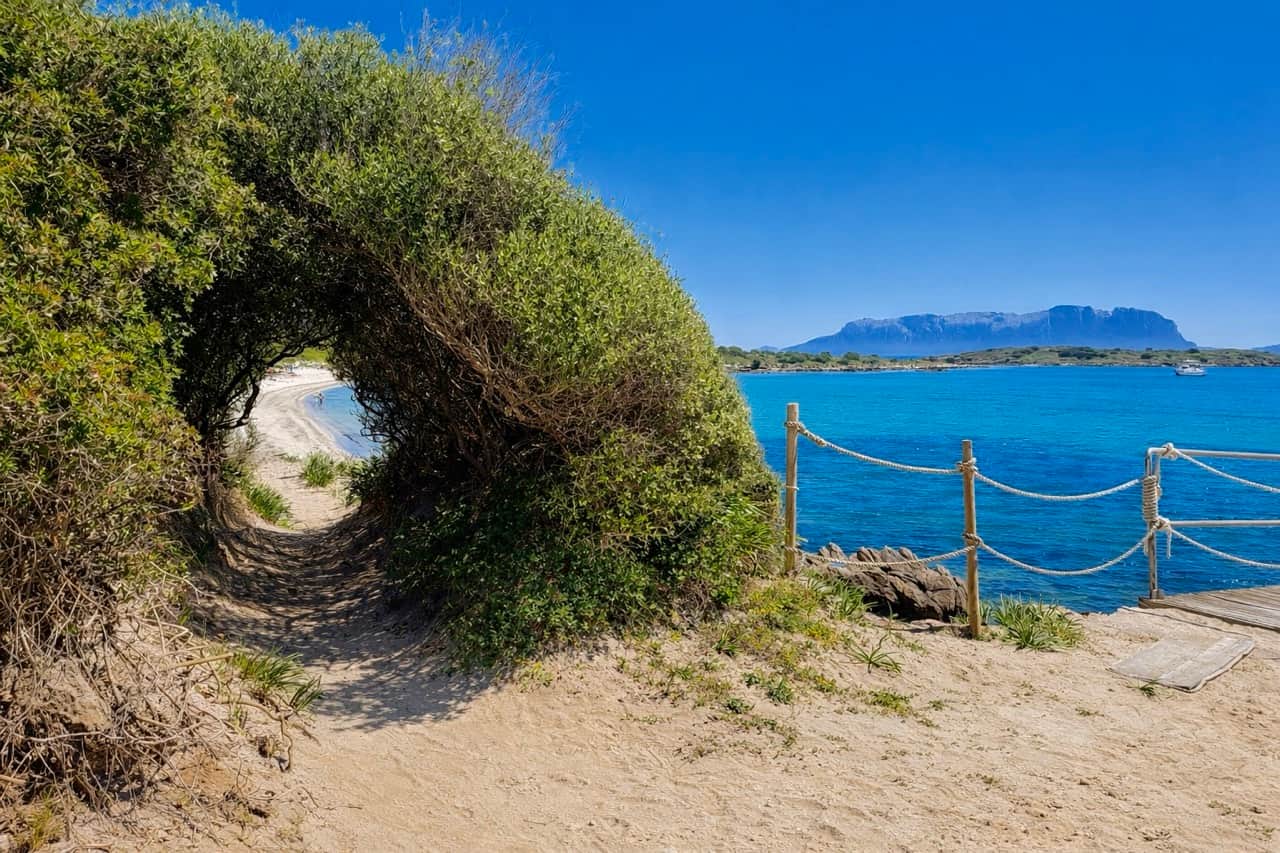
Beach view looking to Isola Tavolara from Pittulongu, 12 km north of Olbia. Foto RENTAL12.
Quick Navigation
🏖️ North East — Olbia & Gallura (Closest to You)
The beaches around Olbia offer the perfect mix of accessibility, family-friendly facilities, and that pristine turquoise Sardinian water. Most are just 10–25 km from Olbia airport and town centre.
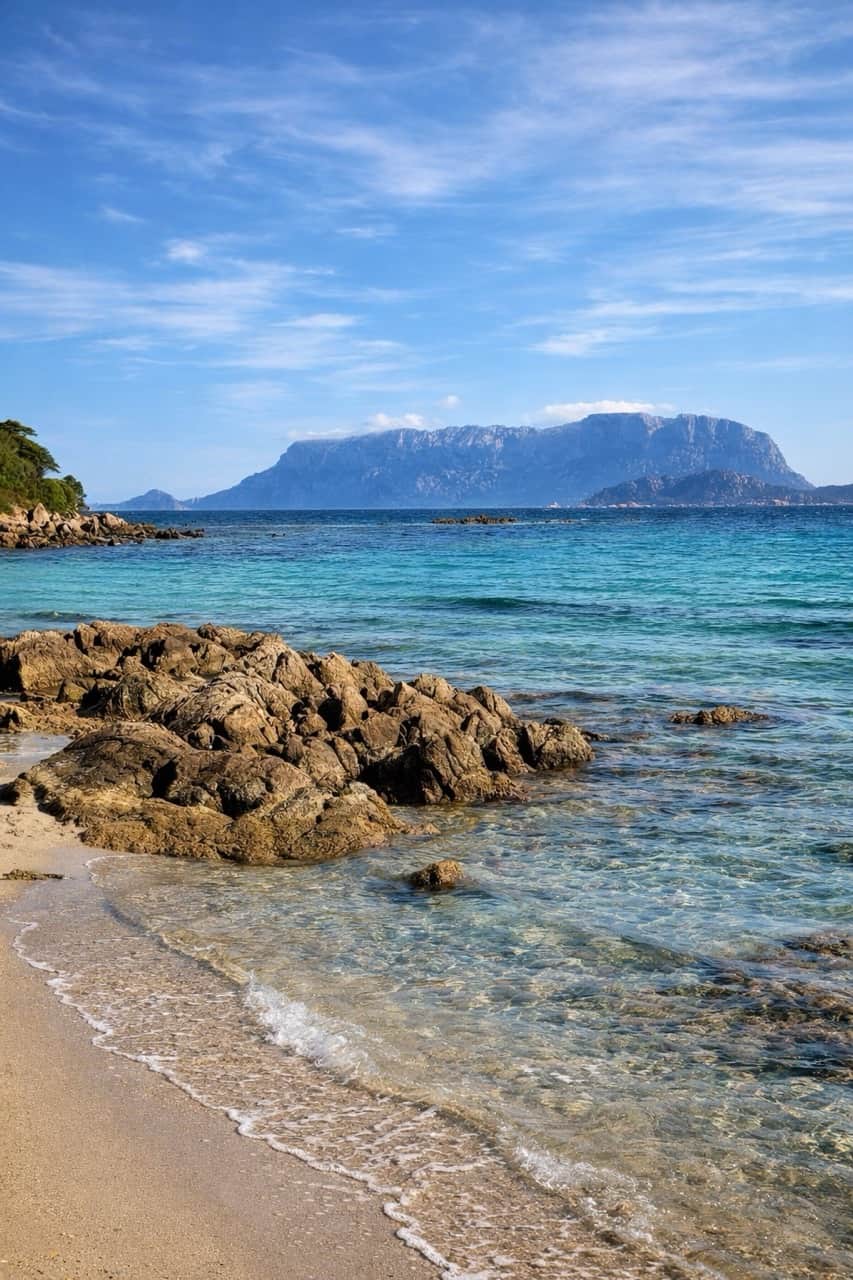
View from a beach near Olbia to Tavolara island. Foto RENTAL12.
🌊 Pittulongu Beach
Distance: 12 km from Olbia airport (15 min drive) | Type: Sandy, shallow, family-perfect
Why it's best: Excellent facilities, lifeguards, warm shallow water, nearby restaurants and beach clubs, spacious car park.
Crowd level: Medium–High in summer. Go early (8–9am) or after 4pm for peace.
Parking: €2/hour, 200+ spaces. Open year-round.
Perfect for: Families, first-time visitors, sunbathing, swimming.
🏝️ Bados Beach
Distance: 10 km from Olbia | Type: Sandy, gentle slope
Why it's best: Quieter than Pittulongu, still has good facilities, slightly less touristy, same crystal water.
Parking: €1.50/hour, moderate spaces. Can get full mid-summer.
Water sports: Windsurfing, paddleboarding available.
Perfect for: Families seeking quieter spots, water sports enthusiasts.
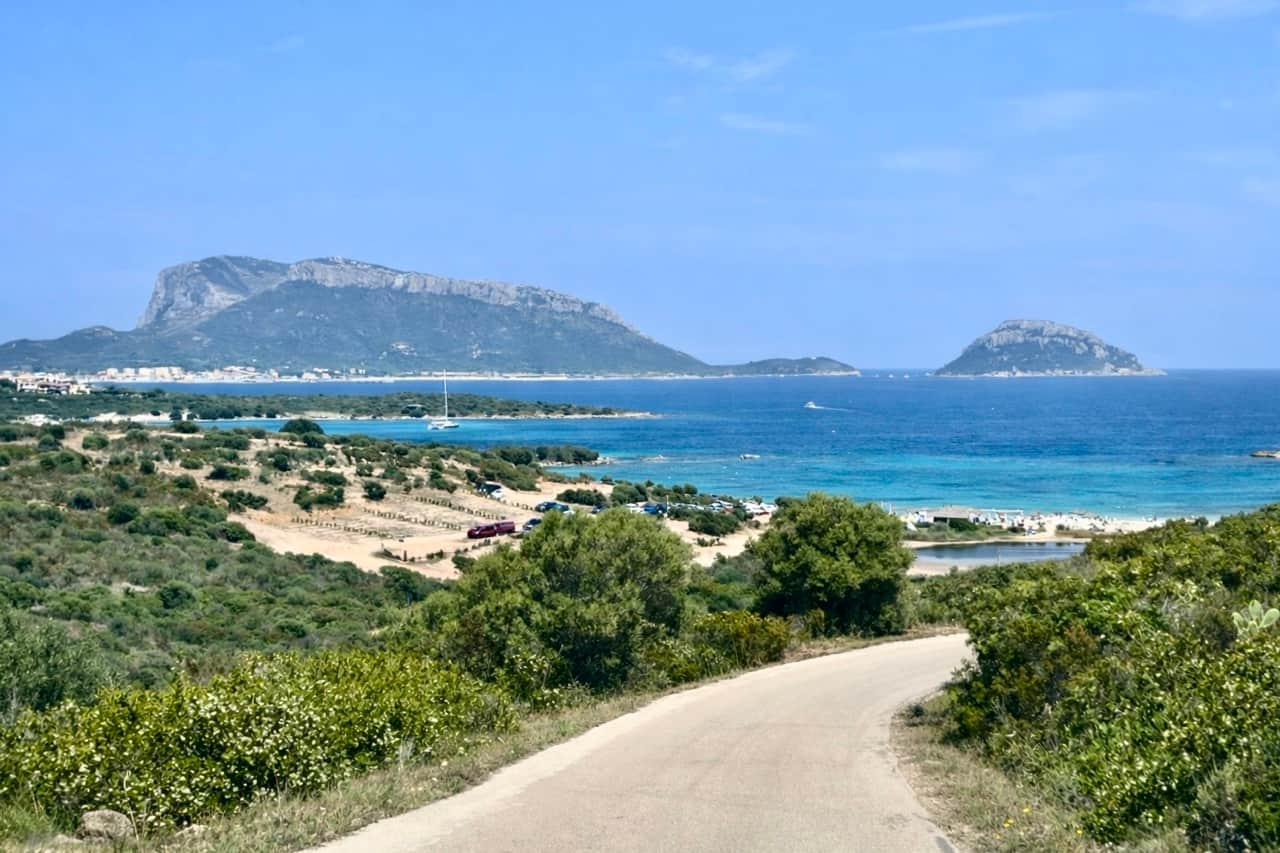
Going down to Cala Sassari (Fino Beach) — Isola Figarola in the distance, 25 km north of Olbia. Foto RENTAL12.
⛵ Porto Istana
Distance: 18 km from Olbia | Type: Sandy, sheltered bay
Why it's best: Natural harbour feel, less crowded, good for families, scenic backdrop.
Parking: Free and abundant. Easy access.
Amenities: Modest; no organized beach clubs, but several local bars nearby.
Perfect for: Quiet mornings, photography, families wanting space.
🌅 Cala Banana
Distance: 22 km from Olbia | Type: Small sandy cove, semi-secluded
Why it's best: Feels hidden despite proximity to Olbia, pristine water, fewer tourists.
Parking: Small lot (30 spaces); arrive early in July–August.
Amenities: Minimal — one beach bar, no sunbed rental. Bring supplies.
Perfect for: Couples, snorkellers seeking quieter water, photography.
👑 Spiaggia del Principe & Capriccioli
Distance: 28–32 km from Olbia (Costa Smeralda area) | Type: Exclusive, sandy, pristine
Why it's best: Ultra-clear water, exclusive feel, excellent snorkelling, near Aga Khan Palace.
Parking: Limited; €3/hour. Arrive early or park at nearby Liscia Ruja and walk (10 min).
Crowd: Moderate–High; mostly upscale tourists.
Perfect for: Luxury seekers, snorkellers, sunset viewing.
🎯 Liscia Ruja
Distance: 32 km from Olbia (Costa Smeralda) | Type: Sandy, well-organized
Why it's best: Large, safe car park (400+ spaces), excellent facilities, accessible from Capriccioli, good for families.
Parking: €2.50/hour, reliable year-round.
Amenities: Beach clubs, restaurants, sunbed rental (€12–15/day).
Perfect for: Families, full-day beach visits, groups.
🌟 Costa Smeralda — Emerald Coast Luxury
Sardinia's most famous beaches: ultra-clear turquoise water, granite rocks, and exclusive atmosphere. Perfect for a splurge-day beach outing. 30–40 km from Olbia.
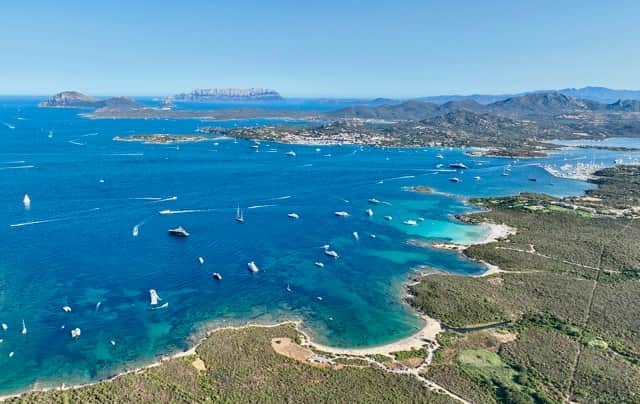
Aerial shot of Porto Rotondo bay, Costa Smeralda. Foto RENTAL12.
💎 Spiaggia del Principe, Capriccioli, Liscia Ruja
All three are within 2 km of each other. Spiaggia del Principe is the crown jewel: exclusive, pristine, expensive sunbeds. Capriccioli is slightly busier but stunning. Liscia Ruja offers best parking and facilities. Cost: €15–20/sunbed. Crowd: Very high July–August. Water: 25–27°C summer. Perfect for: Instagram-worthy shots, snorkelling, luxury vibes.
🏝️ La Maddalena Archipelago — Islands Paradise
Seven islands north of Olbia, accessible by ferry. Crystal-clear water, dramatic granite shores, and some of Italy's most exclusive beaches. A full-day or overnight adventure.
⛴️ How to Get There
Ferry from Palau: 45 min drive from Olbia, then 45 min ferry. Ferries run hourly (€12–15 one-way). Day-trip boats from Olbia: Depart 8–9am, return 5–6pm (€40–60 incl. lunch). Private boat hire: Available from Olbia harbour, 8–10 hour rental (€150–250). Book ahead in summer.
🌊 Spiaggia Rosa (Pink Beach)
Famous pink sand (crushed coral and granite). Small, protected cove. Now under strict conservation — visitor numbers limited. Accessible by boat only. Why: Unique, exclusive, pristine. Crowd: Very limited; reservation recommended. Perfect for: Photography, exclusive experience.
🤿 Cala Coticcio
Crystal-clear bay, spectacular snorkelling (fish, turtles visible). Small beach. Less crowded than Spiaggia Rosa. Accessible by water taxi. Perfect for: Snorkelling, swimming, quieter island experience.
🗻 East Coast — Cala Gonone & Nuoro Mountains
Dramatic granite cliffs, secluded coves, and some of the clearest water in Sardinia. Hiking access to hidden beaches. 75 km south of Olbia — a scenic drive.
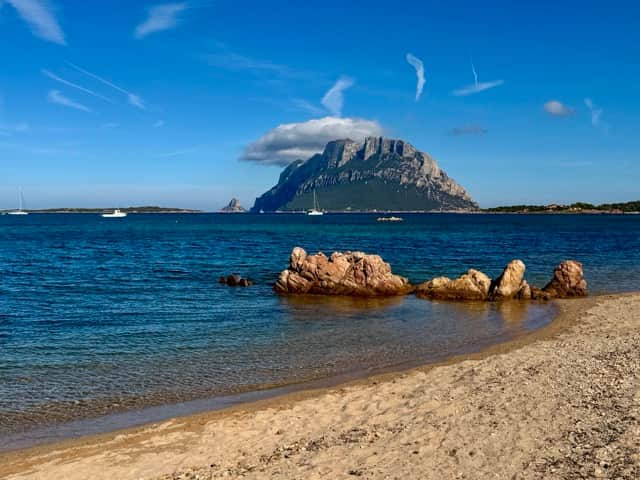
View from a beach near Porto San Paolo to Tavolara island — between Olbia and the East Coast. Foto RENTAL12.
🏔️ Cala Luna
Access: Hike 1.5 hours from Cala Gonone car park or boat (€15–20). Why: Dramatic 300m limestone backdrop, crystal water, hidden grottos. Crowd: Moderate; mostly day-hikers. Amenities: One small beach bar. Perfect for: Hikers, photographers, adventurers seeking iconic scenes.
🤿 Cala Mariolu
Access: Boat only from Cala Gonone (€20–30). Why: Possibly Sardinia's best snorkelling — multicoloured rocks, fish, marine life. Stunning narrow cove. Water clarity: 40m+ visibility. Crowd: Moderate; boat tours frequent. Perfect for: Snorkellers, swimmers, marine lovers.
⛰️ Cala Goloritzé
Access: 2.5-hour hike from Baunei (hiking boots required) or boat (€30–40). Why: One of Italy's most dramatic and secluded beaches. Featured on euro coins. Perfect arch rock formation. Crowd: Low–Moderate. Facilities: None. Perfect for: Serious hikers, adventurers, nature seekers, photographers.
☀️ South — Villasimius & Chia
Cagliari area — stunning beaches with calmer water, dunes, and lagoons. Farther from Olbia (130 km) but worth the drive for a multi-day coastal tour.
🏖️ Spiaggia di Simius (Villasimius)
Distance: 130 km south of Olbia (2 hours). Why: White sand, gentle slope, excellent for families, large car park (500+ spaces), good facilities. Amenities: Beach clubs, restaurants, water sports. Sunbeds: €10–12/day. Crowd: High in July–August. Perfect for: Multi-day south coast trips, families.
🐚 Su Giudeu (Chia)
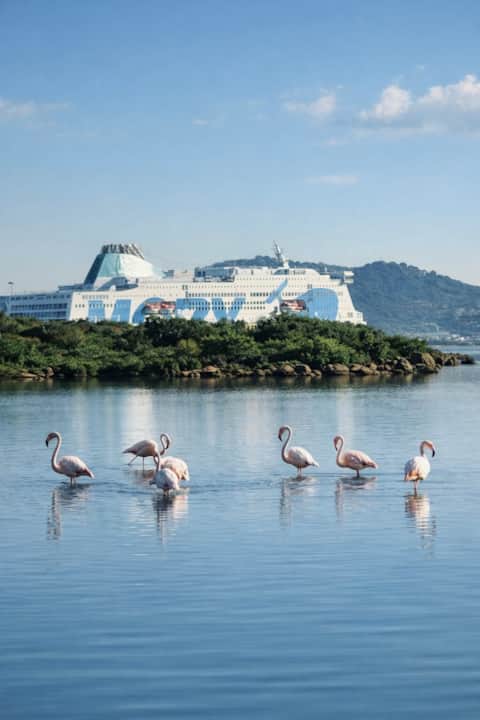
Distance: 145 km south of Olbia. Why: Pristine sand dunes, calm turquoise lagoon, wild flamingos, stunning sunsets. Amenities: Modest; one beach bar. Parking: €2/hour, moderate spaces. Crowd: Moderate, fewer tourists than Simius. Perfect for: Nature lovers, sunsets, photography.
✨ West — Is Arutas & Sinis Peninsula
Unique quartz-grain sand beaches, wild and remote. West of Oristano, 140 km from Olbia. Less touristy, unspoiled, perfect for adventurers.
💎 Is Arutas (Quartz Beach)
What makes it unique: Golden quartz grains instead of typical sand — glitters in sun. Distance: 140 km west of Olbia (90 min drive). Why: One of Sardinia's most unusual beaches, pristine, quiet. Parking: Free but limited (50 spaces). Arrive early. Amenities: One beach bar. Crowd: Low. Perfect for: Geology enthusiasts, seekers of unique experiences.
🗺️ Find Your Perfect Beach by Type
Family-Friendly
Shallow water, lifeguards, amenities, parking.
Best picks:
Pittulongu, Bados, Liscia Ruja, Simius
Snorkelling
Crystal water, marine life, rocks & reefs.
Best picks:
Cala Mariolu, Cala Coticcio, Capriccioli
Secluded
Quiet, fewer tourists, minimal facilities.
Best picks:
Cala Banana, Cala Goloritzé, Is Arutas
Sunset Viewing
West-facing, dramatic sky, romantic.
Best picks:
Su Giudeu (Chia), Porto Istana
Luxury/Exclusive
High-end vibe, upscale crowds, premium amenities.
Best picks:
Spiaggia del Principe, Costa Smeralda
Water Sports
Windsurfing, paddleboarding, kayaking.
Best picks:
Bados, Pittulongu, Cala Gonone
🏛️ Sardinia's Beach Heritage
Sardinia's coastline has been shaped by millennia of Phoenician, Roman, and Catalan seafaring cultures. Many beaches sit below ancient watchtowers (torri costiere) built in the 16th century against Barbary pirates. The Sardinian word for beach — praja — echoes the island's unique linguistic heritage, distinct from mainland Italian.
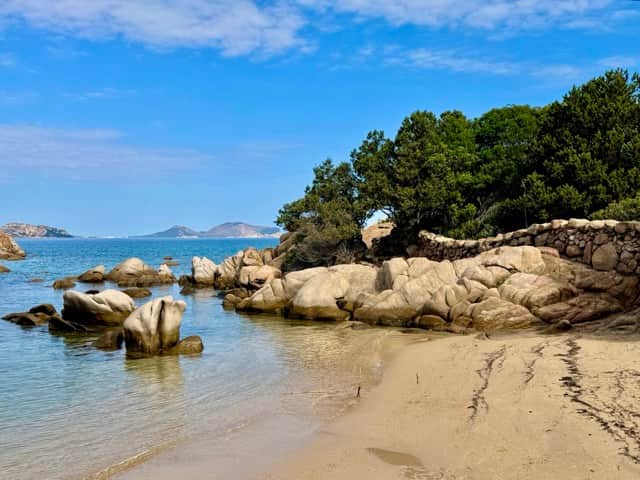
View over the water from a beach near Olbia. Foto RENTAL12.
💡 Practical Tips for Sardinia Beach Days
📋 What to Bring
- High SPF sunscreen (50+) — sun is intense
- Hat, sunglasses, UV shirt
- Reusable water bottle (refill at bars)
- Snorkel gear (buy €15–30 or rent)
- Waterproof phone case
- Light sarong/cover-up
- Flip-flops (sand gets hot)
- Cash (many vendors don't take cards)
🚗 Parking & Access
- Arrive 8–9am for best spots
- Paid parking: €1–3/hour
- Card payment rare; bring cash
- Some beaches free (Porto Istana)
- Large lots (300+): Pittulongu, Liscia Ruja, Simius
- Small/limited: Cala Banana, Cala Goloritzé
- Bike rental available in Olbia (€10–15/day)
🌡️ Water Temperature & Season
- June–August: 25–27°C (perfect)
- May & Sept: 22–24°C (great)
- April & Oct: 18–21°C (wetsuit recommended)
- Best visit: May–June, Sept–Oct
- Peak crowds: July–August (book ahead)
- Winter: 12–15°C, many facilities closed
→ Full month-by-month breakdown: can you still swim in October?
☀️ Sun Safety
- Reapply sunscreen every 90 min
- Avoid 12–4pm peak UV
- Use lip balm with SPF
- UV shirt + hat reduce burn 90%
- Sunburn can ruin holidays — be serious
- After-sun aloe available at bars
⚠️ Beach Hazards
- Sea urchins in shallows — wear water shoes
- Sharp rocks at cove entries — watch footing
- Currents possible near cliffs — ask locals
- Jellyfish rare but occasional (ask before entering)
- Rockfalls possible at dramatic coves (stay clear of cliff bases)
- Respect restricted/protected areas
💰 Budget Guide
- Parking: €2–3/hour (€12–18/day)
- Sunbed rental: €8–20/day
- Beach bar lunch: €12–25
- Gelato: €3–5
- Ferry to La Maddalena: €12–15
- Day-trip boat tours: €40–60
- Budget day: €50–80 per person
❓ Frequently Asked Questions
Ready to Explore Sardinia's Best Beaches?
Book your beach holiday with RENTAL12. Comfortable apartments in Olbia with direct access to all these stunning destinations. Family-friendly, modern, and perfectly located.
Questions? Call us or check our Emergency & Support page.